The Rp 200M Lesson
Last year, a beauty brand came to us after spending Rp 200M on a mega-KOL campaign. The creator had 2.3 million followers. The content got 45,000 likes. The brand sold 11 units.
Eleven. Units.
That’s roughly Rp 18M per sale. For a product that retailed at Rp 89K.
This isn’t an extreme example. It’s a Tuesday. We see some version of this story every month from brands that pick KOLs based on one metric: follower count.
Why Followers Don’t Predict Sales
Followers measure reach potential, not influence. And in 2026 Indonesia, the gap between those two things is enormous.
Here’s what actually drives KOL-attributed sales:
1. Audience-product match. A food creator with 50K followers who reviews kitchen gadgets will outsell a lifestyle creator with 500K followers who posts the same gadget between vacation photos. Every time.
2. Content format fit. Some products sell through tutorials. Some sell through reviews. Some sell through “day in my life” content. The creator’s natural format needs to match your product’s selling format.
3. Comment section health. This is the metric almost nobody checks. Go to a creator’s last 10 posts. Read the comments. Are people asking “where can I buy this?” or are they saying “nice pic bestie”? The comments tell you everything about purchase intent.
If a KOL’s comment section is more than 50% emojis and generic compliments, their audience isn’t buying. They’re browsing. There’s a massive difference.
The Framework We Actually Use
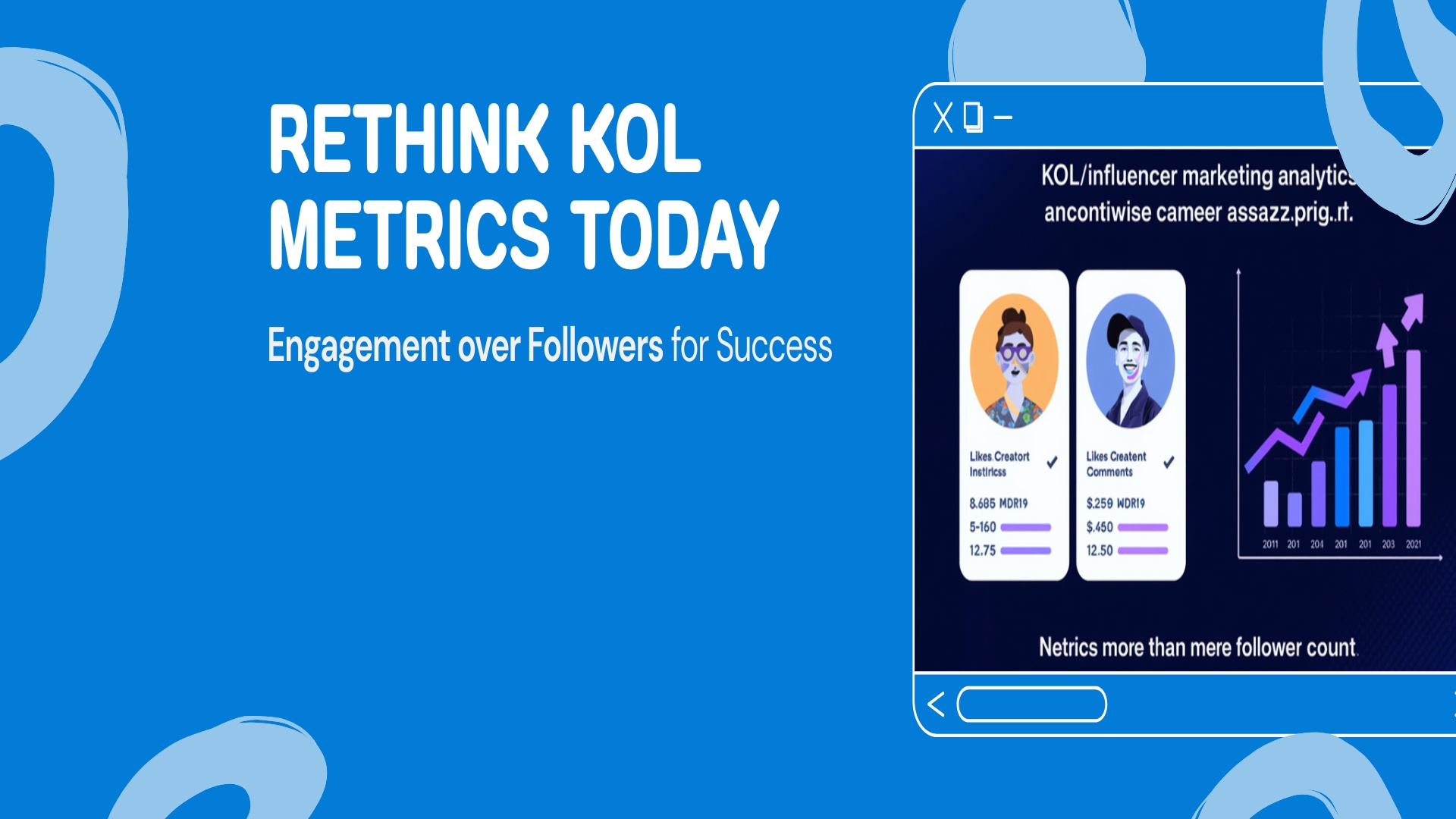
After managing 9,000+ creator partnerships, we’ve narrowed KOL evaluation down to five metrics. Follower count isn’t one of them.
1. Engagement-to-Save Ratio
Likes are vanity. Saves are intent. We calculate the ratio of saves to total engagement on a creator’s last 20 posts. A save ratio above 15% signals that the audience treats the creator’s content as reference material — not just entertainment.
2. Audience Geography Match
We’ve seen Jakarta-based brands partner with KOLs whose audience is 70% outside Java. Shipping costs and delivery times killed the conversion rate. Always request audience demographics before signing.
3. Historical Conversion Rate
Ask the creator for their Shopee or TikTok Shop affiliate dashboard screenshots. If they won’t share, that’s a red flag. Creators who convert well are proud of their numbers.
4. Content Velocity
How often does the creator post? Creators who post 5-7 times per week have trained their audience to check their content regularly. Creators who post once a week have followers who’ve likely muted them.
5. Brand Mention Authenticity
Watch their last 5 sponsored posts. Does the integration feel natural, or is it a jarring interruption? Audiences can smell inauthentic promotions from three scrolls away.
Micro vs. Mega: The Math Has Changed
In 2024, the argument for mega-KOLs was brand awareness. In 2026, even that argument is weakening. Here’s why:
The same Rp 200M budget that buys one mega-KOL post can fund 40 micro-KOLs at Rp 5M each. Even if each micro-KOL reaches only 20K people, that’s 800K total reach — with significantly higher trust signals per impression.
We ran this exact comparison for a skincare brand last quarter:
- Mega-KOL (1 creator, Rp 150M): 2.1M impressions, 890 link clicks, 23 sales
- Micro-KOL cohort (30 creators, Rp 150M total): 640K impressions, 3,200 link clicks, 187 sales
Same budget. 8x the sales. The micro cohort won on every metric except raw impression count.
The breakeven point we’ve identified: if your product is priced above Rp 500K, micro-KOLs outperform mega-KOLs in 85% of cases. Below Rp 100K, mega-KOLs can still work for volume plays — but only with strong affiliate tracking.
What to Do on Monday Morning
If you’re planning a KOL campaign this quarter, here’s your action list:
- Stop filtering by follower count. Use TikTok Creator Marketplace or Shopee’s affiliate data to filter by actual sales performance instead.
- Request audience screenshots. Geography, age, and gender data. If the creator says they “don’t have access,” move on.
- Run a test cohort. Pick 5-10 micro-KOLs at Rp 2-5M each. Give them the same brief. Measure sales, not views. Let the data pick your winners.
- Build a repeat partnership model. The first post is a test. The second post is where ROI starts. KOL marketing is a relationship business, not a one-night-stand business.
The brands winning in Indonesia right now aren’t the ones with the biggest KOL budgets. They’re the ones who measure what matters and ignore what doesn’t.
Follower count is the thing that doesn’t matter. It’s time we all stopped pretending otherwise.